What Causes Attic Mold and How to Stop It From Coming Back
Attic mold rarely appears without a reason. In Eugene homes it grows because the attic holds moisture, and that moisture almost always traces to how the attic is ventilated, sealed, and insulated. A homeowner who has just discovered mold on the roof deck naturally wants it gone, but the more useful question is why it grew in the first place, because the answer determines whether it stays gone. Attic mold removal in Eugene only lasts when it corrects the cause, and understanding those causes is the starting point. Klaus Roofing Systems of Oregon addresses attic mold at its source for homes across Eugene and Lane County.
The Willamette Valley climate is the backdrop for all of it. Eugene's long wet season keeps outdoor humidity high for months, and the region's damp air is the environment attics have to manage. A well-built, well-ventilated attic handles that humidity by moving air through and staying dry. An attic with blocked ventilation, air leaks, or vents dumping moisture inside cannot, and mold follows. Attic mold removal in Eugene works with that climate reality, correcting the specific failures that let a particular attic stay damp.
The Root Causes of Attic Moisture
Attic mold traces to a handful of moisture sources, and effective removal starts by identifying which are at work. These are the causes a technician looks for in a Eugene attic.
Inadequate or unbalanced ventilation, so moist air is not carried out of the attic.
Air leaks from the living space that carry warm, humid household air into the cold attic.
Bathroom fans or dryer vents that discharge into the attic rather than outside the home.
Insulation installed so it blocks the soffit vents and stops the intake airflow.
Roof leaks that introduce water directly into the attic.
The most common of these is ventilation, and it works together with air leakage. Warm air inside a home carries moisture, and when that air leaks up through gaps around light fixtures, the attic hatch, and top plates into a cold attic, the moisture condenses on the cold roof deck. A well-ventilated attic carries that moisture away; a poorly ventilated one lets it sit and feed mold. This pairing of air leakage and weak ventilation is behind a large share of the attic mold that leads to attic mold removal in Eugene, and both have to be addressed for the fix to hold.
Misdirected vents are a cause homeowners are often surprised by. A bathroom exhaust fan or a clothes dryer that vents into the attic instead of to the outside pumps warm, moisture-laden air directly into the space, and no amount of ventilation fully keeps up with that constant input. Redirecting those vents to discharge outside the home is often a key part of attic mold removal in Eugene, because it removes a moisture source that would otherwise defeat every other correction. Finding these misrouted vents is part of diagnosing why an attic grows mold.
How Ventilation Prevents Mold
Balanced attic ventilation is the foundation of a dry, mold-free attic, and understanding it clarifies why it matters so much. A properly ventilated attic pulls fresh air in low, through intake vents at the soffits under the eaves, and exhausts warm, moist air high, through vents at or near the ridge. That continuous flow carries moisture out of the attic and keeps the deck and framing dry. The intake and exhaust have to be balanced, because exhaust without enough intake, or intake without enough exhaust, breaks the airflow. Getting that balance right is central to preventing the conditions that require attic mold removal in Eugene.
Oregon's building code has long set ventilation standards for attics, commonly expressed as a ratio of vent area to attic floor area, with a more demanding ratio required unless a proper vapor retarder or a balanced high-and-low venting arrangement allows a reduced one. These ratios are longstanding requirements under the Oregon Residential Specialty Code, not new rules, and they exist precisely because adequate ventilation is what keeps attics dry. When attic mold removal in Eugene includes bringing the ventilation up to a properly balanced standard, it addresses the problem at the level the code has always recognized as fundamental.
Air leaks feed attic mold
Warm, humid household air leaking up through gaps around fixtures and the attic hatch condenses on the cold roof deck, which is a leading moisture source behind attic mold.
Balanced ventilation is code for a reason
Oregon's building code has long required attic ventilation ratios because adequate, balanced intake and exhaust is what keeps an attic dry and mold-free.
Misrouted vents are a hidden cause
A bathroom fan or dryer venting into the attic instead of outside pumps moisture straight into the space, defeating other fixes until it is redirected.
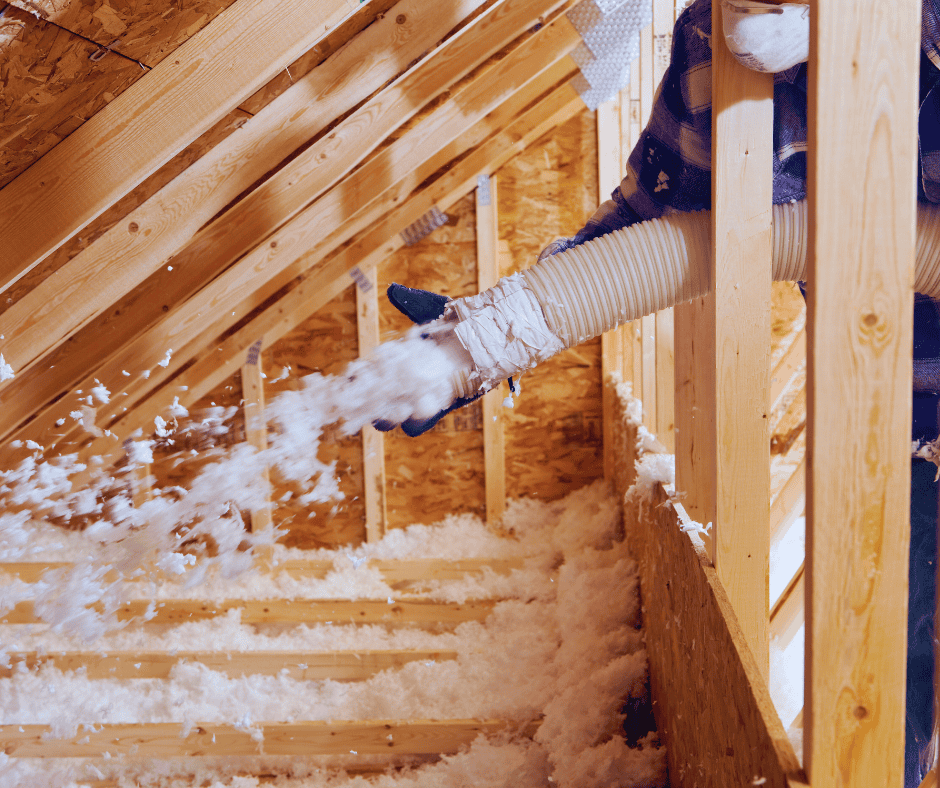
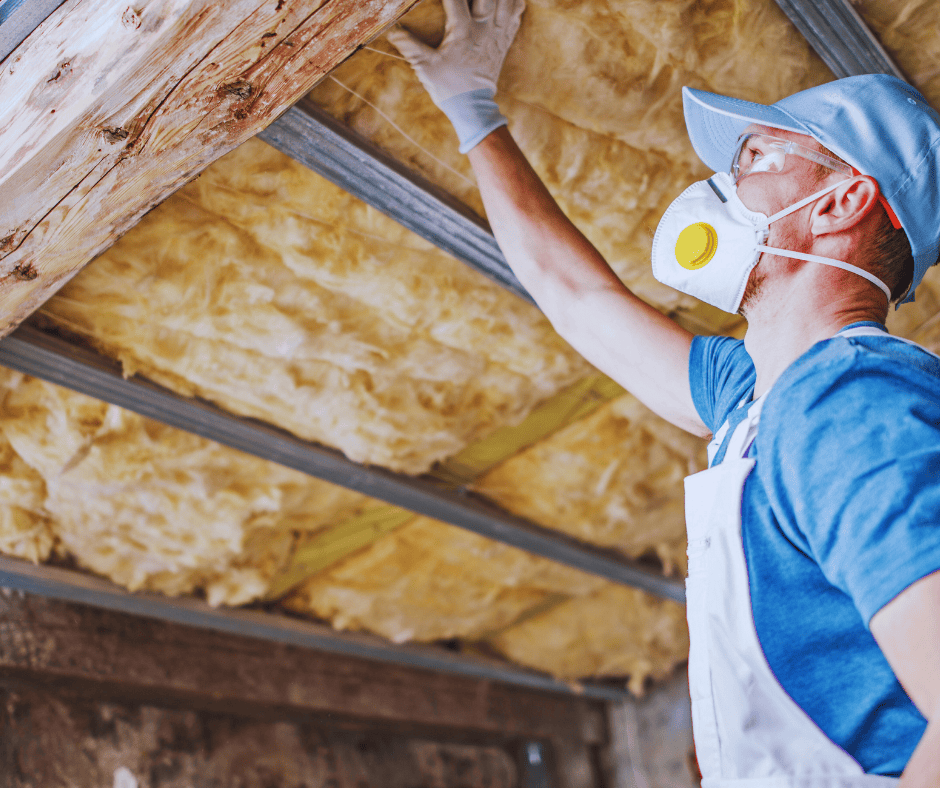
Ventilation works best alongside air sealing and correct insulation, and the three together determine whether an attic stays dry. Air sealing closes the gaps that let warm, moist household air leak into the attic, cutting off the moisture at its source before ventilation even has to deal with it. Insulation, installed correctly so it does not block the soffit vents, keeps the attic conditions stable and the home efficient. When these are done together, the attic stays dry and the mold has no conditions to return to, which is what makes attic mold removal in Eugene a lasting fix rather than a temporary one.
This is why attic mold is best handled by a company that works on the whole attic system. Ventilation, air sealing, and insulation are interconnected, and correcting one without the others often falls short. As an Attic Systems authorized dealer, Klaus addresses all three, so the attic that comes out of the work is ventilated, sealed, and insulated to stay dry. That complete approach is the difference between attic mold removal in Eugene that holds and a surface treatment that fails when the next wet season arrives.
Keeping Mold From Returning
The measure of good attic mold removal is whether the mold stays gone, and that depends entirely on correcting the causes. An attic left properly ventilated, air sealed, and insulated does not offer mold the moisture it needs, so the problem does not return. An attic where the mold was cleaned but the ventilation, air leaks, and misrouted vents were left unaddressed grows mold again, often within a season or two. For a Eugene homeowner, the value of attic mold removal in Eugene is in the durability of the fix, which comes from treating the cause rather than the symptom.
Klaus Roofing Systems of Oregon brings that cause-focused approach to every attic. Family-owned and licensed in Oregon under Contractor ID 231578, with OSHA-compliant crews and an on-site project manager on every job, the company works as an Attic Systems authorized dealer, correcting ventilation, air sealing, insulation, and mold together. The HomeAdvisor Seal of Approval, the 2022 BBB Torch Award for Ethics, the Angi Super Service Award for 2023, and the Expertise 2022 award for best roofers in Eugene reflect the standard the company holds.
Soffit Vents, Baffles, and Ridge Vents
The pieces that make attic ventilation work are worth understanding, because when any of them fails the whole system does. Soffit vents under the eaves are the intake, letting fresh air in low. Baffles hold the insulation back from those vents so the air path stays open, a detail that is often overlooked when insulation is added and ends up smothering the intake. Ridge vents at the peak, or other high exhaust vents, let the warm, moist air out. When intake, air path, and exhaust all work and are balanced, the attic breathes and stays dry. When a homeowner adds insulation that buries the soffit vents, the intake is choked and moisture builds, which is a common cause behind attic mold removal in Eugene.
Balance between intake and exhaust is the part that gets missed most. An attic with exhaust vents but too little intake, or the reverse, does not move air the way a balanced system does, so moisture accumulates even though vents are present. Correcting ventilation is not just adding a vent; it is getting the intake and exhaust into the right relationship so air actually flows from soffit to ridge. That is why a real assessment looks at the whole ventilation picture rather than counting vents, and why the correction restores the airflow rather than simply adding hardware.
The Wet Season and Attic Humidity
Eugene's long wet season is the pressure that finds every weakness in an attic's moisture control. For months, outdoor humidity stays high and the household runs showers, laundry, and cooking that add moisture to the indoor air, and any of that moist air that reaches a cold attic has months of damp weather to condense and linger. An attic that manages fine in the dry summer can grow mold through the wet winter because the moisture load is so much higher. Understanding that seasonal pattern explains why attic mold problems show up and worsen in the colder, wetter months, and why correcting the ventilation and air sealing before the wet season protects the attic when it is most at risk.
This seasonal reality is also why prevention pays off. An attic set up to stay dry, with balanced ventilation, thorough air sealing, and correct insulation, carries through the wet season without accumulating the moisture that grows mold. The work done in the drier months protects the attic through the wet ones. For a Eugene homeowner, timing attic corrections ahead of the wet season is a practical way to keep a moisture problem from taking hold when the climate is working hardest against the attic.
The Assessment That Guides the Fix
Because attic mold has several possible causes, the assessment that precedes the work is what makes the fix accurate. A technician who checks the ventilation balance, the air leaks, the vent routing, the insulation, and the roof builds the full picture of why a given attic is damp, and that picture drives a written proposal for the specific corrections the home needs. Skipping that step risks a fix that does not match the cause. A careful assessment tied to a clear proposal is the foundation of attic work that solves the problem the first time.
Insulation Done Without Blocking the Vents
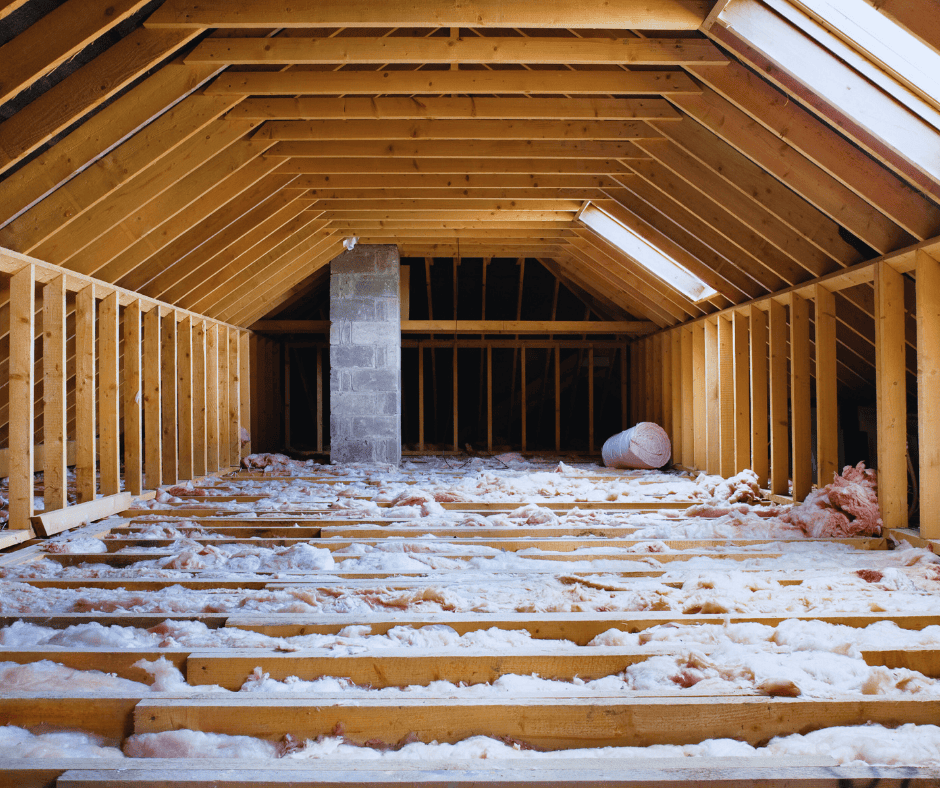
Insulation and ventilation have to work together, and the most common way they conflict is when insulation is pushed into the eaves and buries the soffit vents. When that happens, the intake side of the ventilation is choked off, air stops flowing from soffit to ridge, and moisture builds even though the vents are technically there. Correct installation uses baffles to hold the insulation back from the soffit vents, keeping the air path open while still insulating the attic floor fully. Getting this relationship right is a detail that separates an attic that stays dry from one that grows mold despite having both insulation and vents.
This is why adding insulation without attention to ventilation can backfire. A homeowner who insulates for comfort and energy, but in doing so blocks the intake vents, can create the very moisture problem that leads to mold. Handling insulation and ventilation together, so the attic is both well insulated and well ventilated, is the approach that keeps the attic dry and efficient at the same time. It is one more reason attic work rewards a company that understands the whole system rather than one piece of it.
Understanding the causes is what turns attic mold from a recurring frustration into a solved problem. When a homeowner knows the mold grew because of ventilation, air leaks, or a misrouted vent, the path forward is clear: correct those causes, remove the mold, and set the attic up to stay dry. That understanding, paired with a company that addresses the whole attic system, is what makes the difference between a fix that holds and a treatment that fails when the wet season returns. A dry attic is a matter of getting the moisture control right.
Klaus Roofing Systems of Oregon is a family-owned, locally operated roofing and attic efficiency contractor serving Eugene, Springfield, and Lane County from its office at 3922 W 1st Ave Suite C in West Eugene, 97402. Licensed in Oregon under Contractor ID 231578, with OSHA-compliant crews, an on-site project manager, and free in-person estimates with a written proposal, the company corrects the ventilation, air sealing, and insulation that keep attic mold from returning. For attic mold removal in Eugene from River Road to the South Hills, Klaus addresses the cause. Call 541-275-2202 to schedule a free in-person estimate.
A mold (US, PH) or mould (UK, CW) is one of the structures that certain fungi can form. The dust-like, colored appearance of molds is due to the formation of spores containing fungal secondary metabolites. The spores are the dispersal units of the fungi.[1][2] Not all fungi form molds. Some fungi form mushrooms or ascomata; others grow as single cells and are called yeasts.
A large and taxonomically diverse number of fungal species form molds. The growth of hyphae results in discoloration and a fuzzy appearance, especially on food.[3] The network of these tubular branching hyphae, called a mycelium, is considered a single organism. The hyphae are generally transparent, so the mycelium appears like very fine, fluffy white threads over the surface. Cross-walls (septa) may delimit connected compartments along the hyphae, each containing one or multiple, genetically identical nuclei. The dusty texture of many molds is caused by profuse production of asexual spores (conidia) formed by differentiation at the ends of hyphae. The mode of formation and shape of these spores is traditionally used to classify molds.[4] Many of these spores are colored, making the fungus much more obvious to the human eye at this stage in its life-cycle.
Molds cause biodegradation of natural materials, which can be unwanted when it becomes food spoilage or damage to property. They also play important roles in biotechnology and food science in the production of various pigments, foods, beverages, antibiotics, pharmaceuticals and enzymes.[9] Some diseases of animals and humans can be caused by certain molds: disease may result from allergic sensitivity to mold spores, from growth of pathogenic molds within the body, or from the effects of ingested or inhaled toxic compounds (mycotoxins) produced by molds.[1]
There are thousands of known species of mold fungi with diverse life-styles including saprotrophs, mesophiles, psychrophiles and thermophiles, and a very few opportunistic pathogens of humans.[10] They all require moisture for growth and some live in aquatic environments. Like all fungi, molds derive energy not through photosynthesis but from the organic matter on which they live, utilizing heterotrophy. Typically, molds secrete hydrolytic enzymes, mainly from the hyphal tips. These enzymes degrade complex biopolymers such as starch, cellulose, and lignin into simpler substances that can be absorbed by the hyphae. In this way, molds play a major role in the decomposition of organic material, enabling the recycling of nutrients throughout ecosystems. Many molds also synthesize mycotoxins and siderophores that, together with lytic enzymes, inhibit the growth of competing microorganisms. Molds can also grow on stored food for animals and humans, making the food unpalatable or toxic, and are thus a major source of food losses and illness.[11] Many strategies for food preservation (salting, pickling, jams, bottling, freezing, drying) are intended to prevent or slow mold growth as well as the growth of other microbes.
Molds reproduce by producing large numbers of small spores,[10] that may contain a single nucleus or be multinucleate. Mold spores can be asexual (the products of mitosis) or sexual (the products of meiosis); many species can produce both types. Some molds produce small, hydrophobic spores that are adapted for wind dispersal and may remain airborne for long periods; in some the cell walls are darkly pigmented, providing resistance to damage by ultraviolet radiation. Other mold spores have slimy sheaths and are more suited to water dispersal. Mold spores are often spherical or ovoid single cells, but can be multicellular and variously shaped. Spores may cling to clothing or fur; some are able to survive extremes of temperature and pressure.
Although molds can grow on dead organic matter everywhere in nature, their presence is visible to the unaided eye only when they form large colonies. A mold colony does not consist of discrete organisms but is an interconnected network of hyphae called a mycelium. All growth occurs at hyphal tips, with cytoplasm and organelles flowing forwards as the hyphae advance over or through new food sources. Nutrients are absorbed at the hyphal tip. In artificial environments such as buildings, humidity and temperature are often stable enough to foster the growth of mold colonies, which are often visible as a downy or furry coating growing on food or other surfaces.
Few molds can begin growing at temperatures of 4 °C (39 °F) or below, so food is typically refrigerated to this temperature. When conditions do not enable growth to take place, molds can remain alive in a dormant state within a large range of temperatures that depends on the species. The many different mold species vary enormously in their tolerance for temperature and humidity extremes. Certain molds can survive harsh conditions such as the snow-covered soils of Antarctica, refrigeration, highly acidic solvents, anti-bacterial soap, and even petroleum products such as jet fuel.[12]: 22
Xerophilic molds are able to grow in relatively dry, salty, or sugary environments, where water activity (aw) is less than 0.85; other molds need more moisture.[13]
Some sausages, such as salami, incorporate starter cultures of molds [18] to improve flavor and reduce bacterial spoilage during curing. Penicillium nalgiovense, for example, may appear as a powdery white coating on some varieties of dry-cured sausage (I.e: European-style dry-cured sausages especially Southern European traditions of it)
Other molds that have been used in food production include:
Alexander Fleming's accidental discovery of the antibiotic penicillin involved a Penicillium mold then called Penicillium rubrum (although the species was later established to be Penicillium rubens).[19][20][21] Fleming continued to investigate penicillin, showing that it could inhibit various types of bacteria found in infections and other ailments, but he was unable to produce the compound in amounts large enough for the production of a medicine.[22] His work was expanded by a team at Oxford University: Clutterbuck, Lovell, and Raistrick, who began to work on the problem in 1931. This team was also unable to produce the pure compound in large amounts, and found that the purification process diminished its effectiveness and negated its anti-bacterial properties.[22]
Howard Florey, Ernst Chain, Norman Heatley, Edward Abraham, also all at Oxford, continued the work.[22] They enhanced and developed the concentration technique by using organic solutions rather than water, and created the "Oxford Unit" to measure penicillin concentration within a solution. They managed to purify the solution, increasing its concentration by 45–50 times, and found that a higher concentration was possible. Experiments were conducted and the results published in 1941, though the quantities of penicillin produced were not always high enough for the treatments required.[22] As this was during the Second World War, Florey sought US government involvement. With research teams in the UK and some in the US, industrial-scale production of crystallized penicillin was developed during 1941–1944 by the USDA and by Pfizer.[19][23]
Several statin cholesterol-lowering drugs (such as lovastatin, from Aspergillus terreus) are derived from molds.[24]
Molds are ubiquitous, and mold spores are a common component of household and workplace dust; however, when mold spores are present in large quantities, they can present a health hazard to humans, potentially causing allergic reactions and respiratory problems.[25]
Some molds also produce mycotoxins that can pose serious health risks to humans and animals. Some studies claim that exposure to high levels of mycotoxins can lead to neurological problems and, in some cases, death.[26] Prolonged exposure, e.g., daily home exposure, may be particularly harmful. Research on the health impacts of mold has not been conclusive.[27] The term "toxic mold" refers to molds that produce mycotoxins, such as Stachybotrys chartarum, and not to all molds in general.[28]
Mold growth in buildings generally occurs as fungi colonize porous building materials, such as wood.[30] Many building products commonly incorporate paper, wood products, or solid wood members, such as paper-covered drywall, wood cabinets, and insulation. Interior mold colonization can lead to a variety of health problems as microscopic airborne reproductive spores, analogous to tree pollen, are inhaled by building occupants. High quantities of indoor airborne spores as compared to exterior conditions are strongly suggestive of indoor mold growth.[31] Determination of airborne spore counts is accomplished by way of an air sample, in which a specialized pump with a known flow rate is operated for a known period of time. To account for background levels, air samples should be drawn from the affected area, a control area, and the exterior.
The air sampler pump draws in air and deposits microscopic airborne particles on a culture medium. The medium is cultured in a laboratory and the fungal genus and species are determined by visual microscopic observation. Laboratory results also quantify fungal growth by way of a spore count for comparison among samples. The pump operation time is recorded and when multiplied by pump flow rate results in a specific volume of air obtained. Although a small volume of air is actually analyzed, common laboratory reports extrapolate the spore count data to estimate spores that would be present in a cubic meter of air.[32]
Mold spores are drawn to specific environments, making it easier for them to grow. These spores will usually only turn into a full-blown outbreak if certain conditions are met.[33] Various practices can be followed to mitigate mold issues in buildings, the most important of which is to reduce moisture levels that can facilitate mold growth.[28] Air filtration reduces the number of spores available for germination, especially when a High Efficiency Particulate Air (HEPA) filter is used. A properly functioning AC unit also reduces the relative humidity in rooms.[34] The United States Environmental Protection Agency (EPA) currently recommends that relative humidity be maintained below 60%, ideally between 30% and 50%, to inhibit mold growth.[35]
Eliminating the moisture source is the first step at fungal remediation. Removal of affected materials may also be necessary for remediation, if materials are easily replaceable and not part of the load-bearing structure. Professional drying of concealed wall cavities and enclosed spaces such as cabinet toekick spaces may be required. Post-remediation verification of moisture content and fungal growth is required for successful remediation. Many contractors perform post-remediation verification themselves, but property owners may benefit from independent verification. Left untreated, mold can potentially cause serious cosmetic and structural damage to a property.[36]
Various artists have used mold in various artistic fashions. Daniele Del Nero, for example, constructs scale models of houses and office buildings and then induces mold to grow on them, giving them an unsettling, reclaimed-by-nature look.[37]Stacy Levy sandblasts enlarged images of mold onto glass, then allows mold to grow in the crevasses she has made, creating a macro-micro portrait.[38]Sam Taylor-Johnson has made a number of time-lapse films capturing the gradual decay of classically arranged still lifes.[39]
^Morgan, Mike. "Moulds". Microscopy UK. Archived from the original on 28 March 2019. Retrieved 26 June 2012.
^Chiba University, Japan. "Fungus and Actinomycetes Gallery". Chiba University Medical Mycology Research Center. Archived from the original on 19 July 2012. Retrieved 26 June 2012.
^Red Yeast Rice Preparations: Are They Suitable Substitutions for Statins?, Dujovne, CA, Am J Med. 2017 Oct;130(10):1148-1150. doi: 10.1016/j.amjmed.2017.05.013. Epub 2017 Jun 7.
^Cox, Russell J.; Simpson, Thomas J. (2010). "Fungal Type I Polyketides". Comprehensive Natural Products II. p. 355. doi:10.1016/B978-008045382-8.00017-4. ISBN978-0-08-045382-8. Lovastatin (also known as mevinolin) is produced by Aspergillus terreus
^Saunders Comprehensive Veterinary Dictionary, Blood and Studdert, 1999
^Fairey, Philip; Chandra, Subrato; Moyer, Neil. "Mold Growth". Florida Solar Energy Center. University of Central Florida. Archived from the original on 27 August 2019. Retrieved 19 August 2019.
^IICRC S500 Standard and Reference Guide for Professional Water Damage Restoration
A properly ventilated attic pulls fresh air in low at the soffits and exhausts moist air high at the ridge, carrying moisture out and keeping the deck dry. The intake and exhaust have to be balanced. When ventilation is blocked or unbalanced, moisture accumulates and feeds mold, so correcting the ventilation is central to preventing it.
Can a bathroom or dryer vent cause attic mold?
Yes. A bathroom fan or clothes dryer that discharges into the attic instead of outside pumps warm, moist air directly into the space, and that constant moisture input feeds mold. Redirecting those vents to discharge outside the home is often a key part of solving an attic mold problem for good.